For nitro-powered RC racing vehicles, proper engine break-in is critical for performance and longevity. This guide details the core preparatory steps—tool familiarization, fuel system priming , and initial startup—following professional protocols.
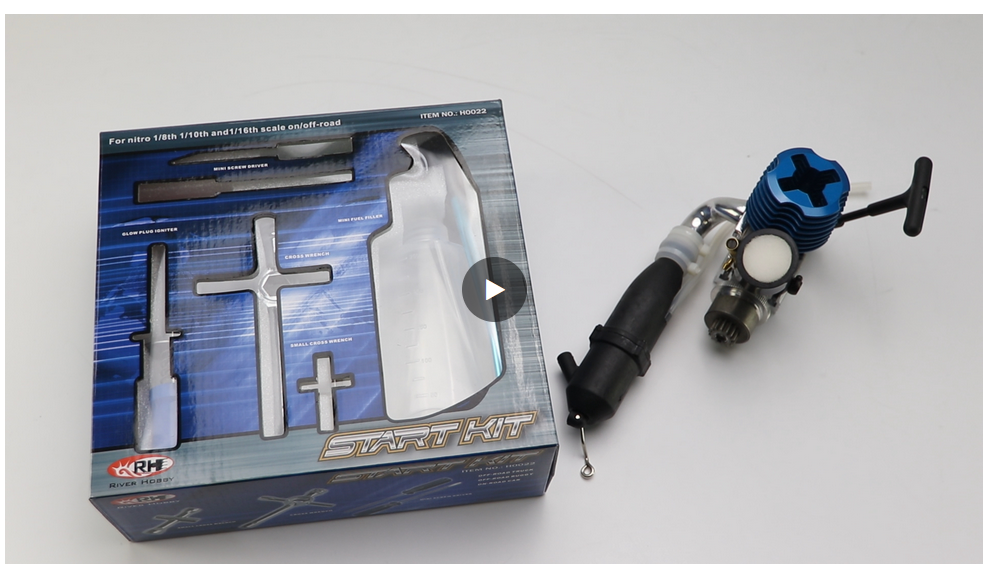
1. Professional Tool Kit Breakdown (H0022)
Proper tools are essential:
-
Engine Sockets: Cross-head (Phillips) sizes large/small for precision removal of glow plugs and engine screws.
-
Glow Igniter: Supplies current to ignite the plug. Always verify charge (~5 hours charging time).
-
Screwdriver Set: Cross-head and flat-head for carburetor needle adjustments.
-
Micro Fuel Bottle: Ensures spill-free fuel filling.
2. Fuel System Priming Technique
Establishing fuel flow for startup:
-
Fuel Filling: Fill the tank to ~80% capacity with nitro fuel (overfilling risks leaks).
-
Manual Priming:
-
Press firmly on the exhaust port with your left hand to create a seal.
-
Pull the starter cord repeatedly with your right hand until fuel visibly enters the carburetor via the clear fuel line.
-
-
Completion: Fuel in the carburetor confirms successful priming.
Key Tip: Incomplete sealing prevents priming—ensure airtight contact on the exhaust.
3. Initial Engine Startup & Break-in Basics
-
Pre-start Electronics Check:
-
Turn off the receiver, install receiver batteries.
-
Power on the transmitter first, then the receiver. Confirm signal link.
-
When closing the compartment, switch off the receiver and avoid pinching the antenna under the battery tray.
-
-
Glow Igniter Installation:
-
Press down vertically on the igniter before inserting it into the glow plug for full electrode contact.
-
-
Startup Readiness:
The engine is now prepped for starting, initiating the break-in phase (low-to-mid speed heat cycles in rich mixture).
Professional Recommendations
-
Safety First: Operate away from flammables; wear safety goggles.
-
Follow Manual Specifications: Break-in duration, RPM limits, and load requirements vary—strictly adhere to manufacturer guidelines.
-
Tool Maintenance: Regularly clean sockets and screwdriver tips to prevent slippage and damage.
Conclusion:
Precise priming and standardized startup protocols unlock the full potential of nitro RC engines. Mastering these fundamentals not only ensures successful break-in but also paves the way for peak performance and extended engine life.